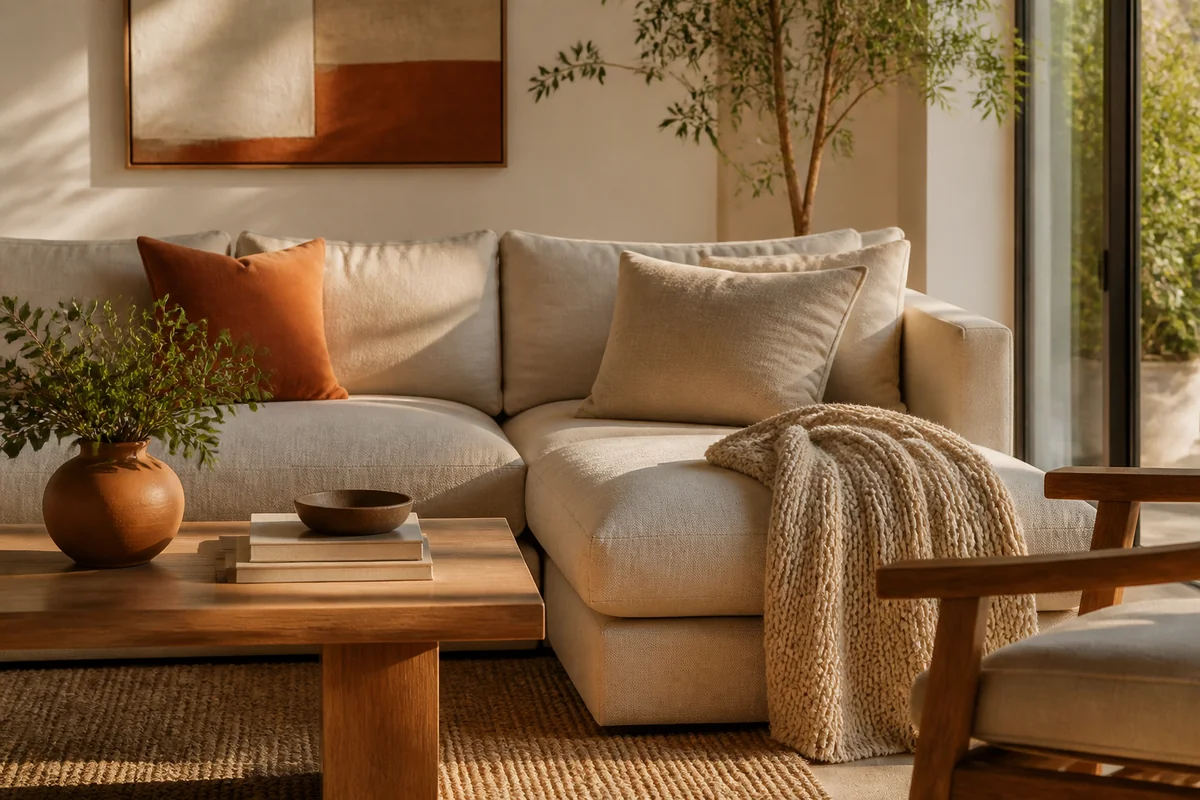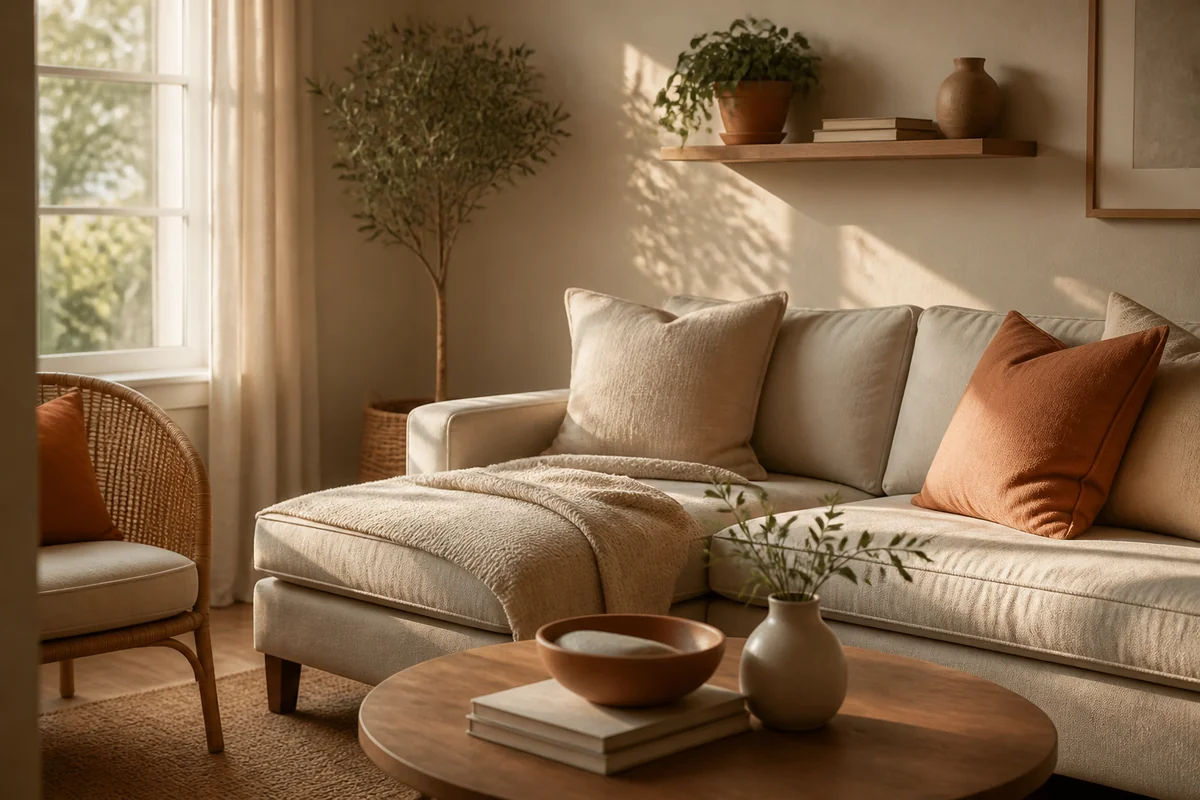
How to Get That Coastal Living Room Look on Any Budget
My friend called me last spring in a minor panic. She'd just signed a lease on this beautiful rental in a historic part of town, and the living room had these tall windows that practically screamed "put something coastal here." The problem? Her budget was tight. She wasn't dropping thousands on a designer makeover. She wanted that breezy, light-filled, sand-and-sea feeling without breaking the bank.
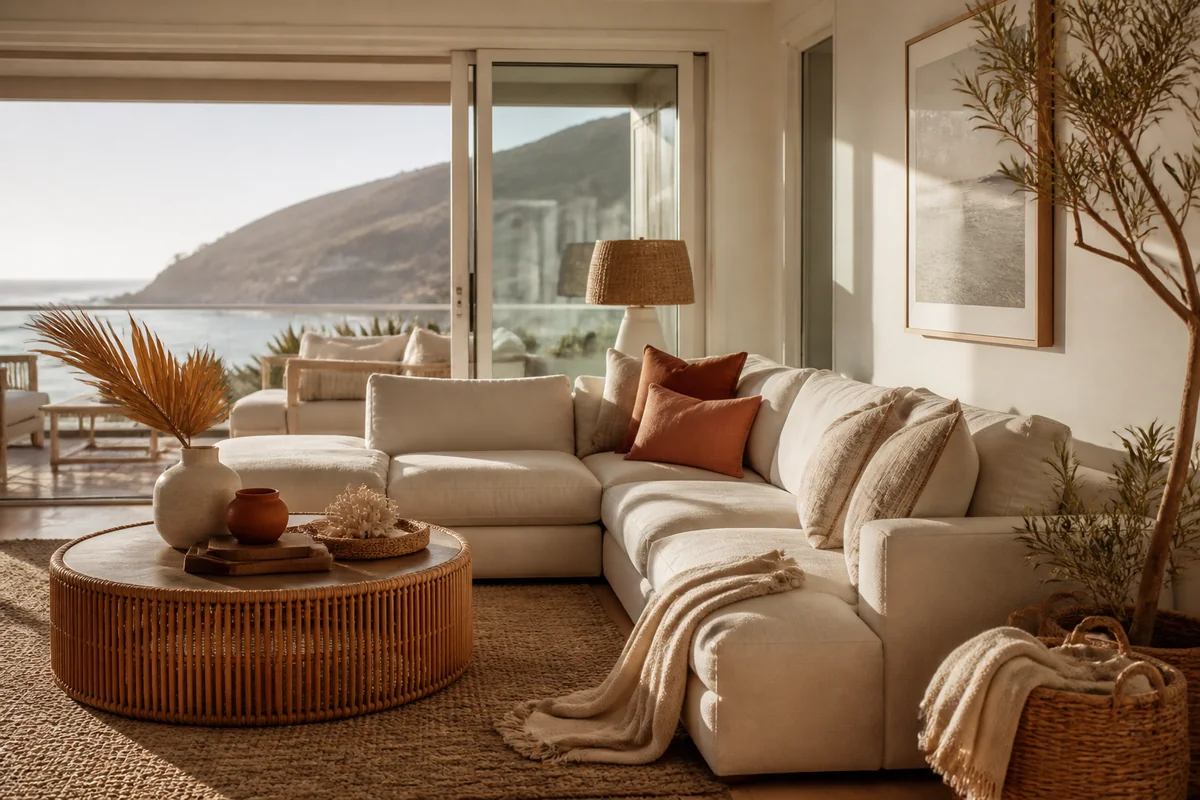
We spent an afternoon mapping it out, and honestly, that's when I realized how much you can actually achieve with coastal decor on a realistic budget. It's not about expensive reclaimed driftwood or custom built-ins. It's about understanding the bones of the style and knowing where to splurge versus where to save. That project became one of my favorite decorating memories, and I'm going to walk you through exactly what we learned.
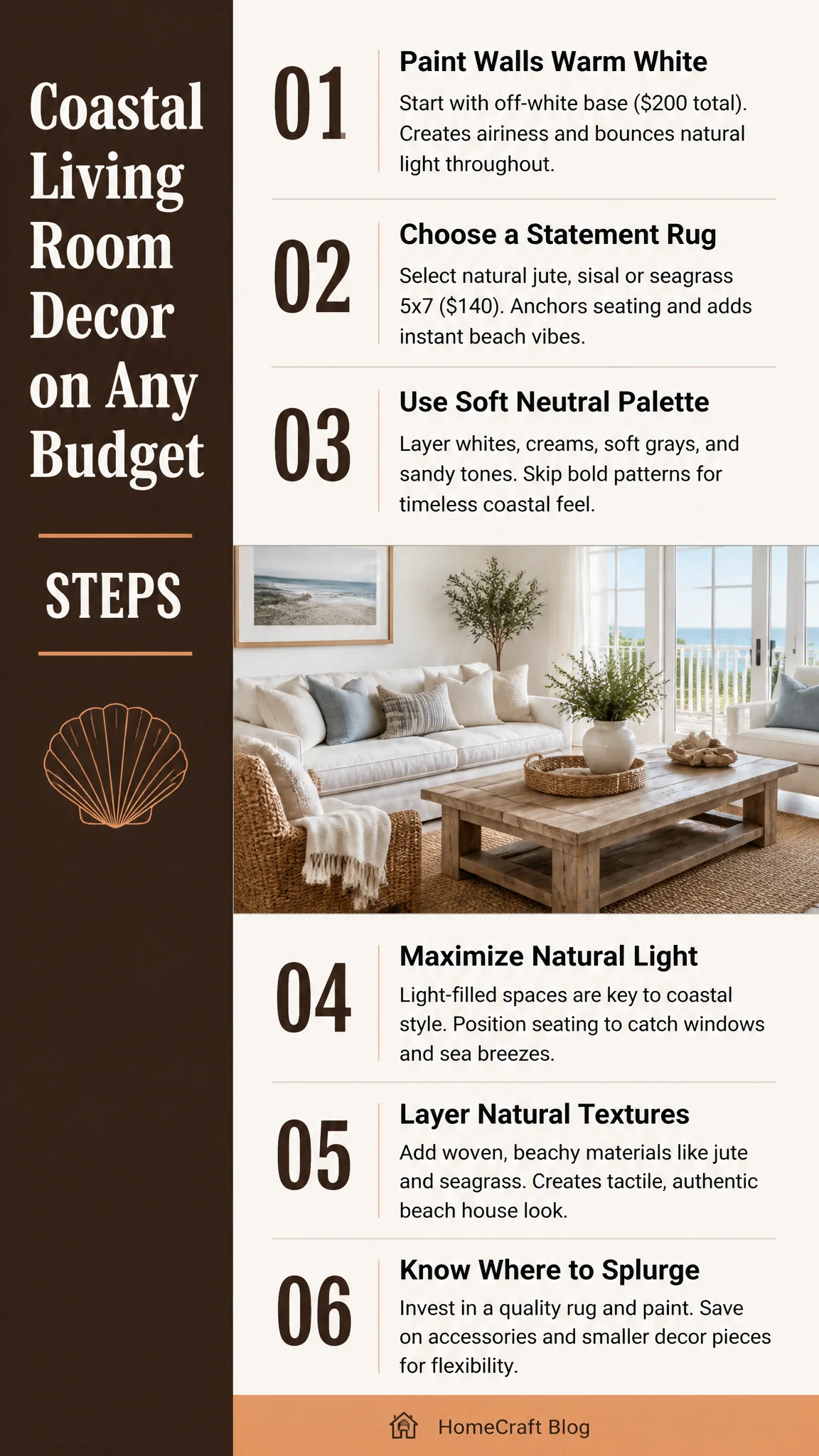
Start With White and Soft Neutrals as Your Base
The cheapest way to make a room feel coastal is to lean into color restraint. Most designers I follow say coastal style lives or dies by its neutral palette, and they're right. You want whites, creams, soft grays, and warm sandy tones doing the heavy lifting.
We started by repainting her living room walls. Not a designer white, but a warm, slightly off-white. It cost about $120 in paint and another $80 for supplies since she tackled it herself. That single change made the whole room feel bigger and airier (seriously, this changed everything).
The magic here is that once your walls are settled, everything else becomes easier. You're not fighting the background. Light-colored walls also bounce natural light around, which is exactly what coastal rooms need. If you can't paint because you're renting, neutral removable wallpaper or even large white fabric panels can achieve something similar. The point isn't perfection. It's creating that airy canvas that makes a space feel connected to the beach.
Find Your Statement Rug
A good rug anchors the whole look and can run anywhere from $50 to $500 depending on what you choose. We found her a 5x7 natural jute rug with subtle white stripes at a big-box store for about $140. It wasn't high-end, but it had that woven, beachy texture that makes people think "coastal" instantly.
The rug does double duty here. It defines the seating area, adds that natural fiber element that screams beach house, and gives you a neutral jumping-off point for everything else. Been there, trying to pick a rug only to realize it's too colorful or too formal? Skip anything with bold patterns. Stick with natural textures, whites, grays, and warm tans. If jute feels too rough for your space, sisal or seagrass work beautifully too.
Pro tip: layer a smaller rug on top if you want to add subtle color without committing to the whole floor.
Lighting Was My Biggest Problem
Coastal rooms need light, and I'm not just talking about natural light. Lamps matter. A lot.
We replaced her overhead fixture with a simple pendant light (around $45 from a mid-range store) and added two table lamps with linen shades on either side of her sofa. Each lamp was about $60. That was roughly $165 in lighting, which sounds like a lot until you realize how much it changes the entire mood of the room.
The key is soft, warm light. Skip anything with harsh brightness or chrome finishes. Look for fixtures in natural wood, rattan, or simple metals like brushed brass. Coastal homes feel relaxed, and harsh lighting kills that instantly. Linen lampshades diffuse light beautifully and cost way less than designer options. Even basic ones from affordable retailers feel lovely in this style.
One small thing that surprised us both: dimmer switches. We added two for about $25 total, and suddenly the room could feel energetic during the day and completely zen in the evening. You don't need fancy smart dimmers. Basic ones work fine.
Bring in Natural Textures Without Overspending
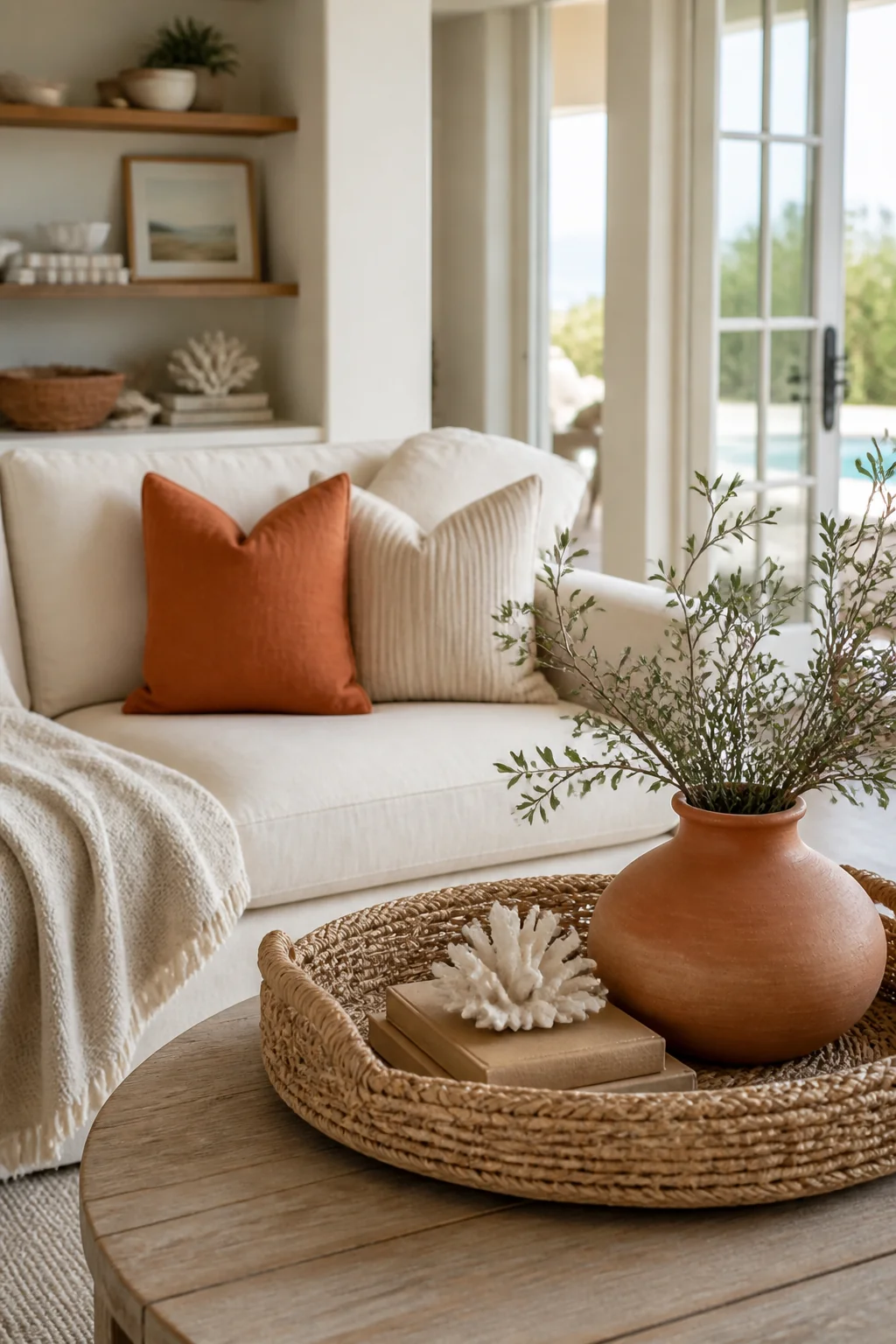
This is where coastal style gets fun and budget-friendly. You're working with materials that nature already made beautiful. Woven baskets, wooden shelves, coral-colored accents, and sea-inspired pieces cost way less than you'd think if you shop thoughtfully.
We hit a home goods outlet store and found three woven baskets for about $35 total. They sit on floating shelves and hold throw blankets plus random living room items. We also grabbed a wooden side table with a weathered finish for $70. These pieces look expensive but aren't because they're working with simple, timeless designs rather than trendy frills.
The texture is what sells coastal rooms to people. If everything is smooth and polished, it feels cold. Add woven elements, rough wood, natural fibers in your curtains, and suddenly the room breathes. Start at thrift stores and Facebook Marketplace before hitting full-price retailers. You'll be shocked what you find, and vintage pieces honestly feel more authentically coastal anyway.
Accessorize With Coastal Elements That Tell a Story
Okay, so here's where most people overspend. They buy "coastal decor" items, and I'm talking about those cheesy rope mirrors and nautical signs that scream gift shop. You don't need that stuff.
What you actually need are a few meaningful pieces. We found a piece of driftwood at a local shop for $15, a simple white ceramic vase for $12, and a few books about the ocean stacked on a side table. We also hung two large framed botanical prints (prints, not originals, about $25 each) that felt light and breezy instead of heavy.
The rule I follow: if it looks like it belongs in a beach house someone actually lives in, buy it. If it looks like novelty decor, skip it. That means real plants in simple pots instead of fake tropical accents. Books with pretty covers instead of decorative oars. A simple glass vase holding shells you collected instead of a "coastal" sign that says "Live, Laugh, Love" but beachy.
Save the full guide
Curtains That Feel Light and Breezy
Heavy, dark curtains are the enemy of coastal style. You want fabrics that move, filter light gently, and feel soft to touch.
We replaced her old heavy drapes with linen curtain panels from an affordable home store. About $60 for both panels. Linen has that natural, slightly rumpled texture that feels so coastal, and it lets light diffuse beautifully throughout the room. The color was an off-white with the tiniest hint of gray, exactly what coastal rooms need.
If linen feels too expensive for your situation, cotton blends work well too. The texture matters more than the fiber. You want something that doesn't feel like it's trying too hard. Hang them high and wide to make ceilings feel taller and rooms feel bigger. Skip anything metallic or shiny. Matte finishes, natural wood rods, and simple hardware keep everything feeling relaxed and beachy.
Use Color Sparingly and Intentionally
Here's my mistake from years ago: I thought adding coastal color meant turquoise, coral, and navy everywhere. It doesn't.
Coastal rooms work because they're mostly neutral with tiny pops of color that feel like they wandered in from the beach naturally. A throw pillow in soft blue. A piece of coral-inspired art. Maybe a lamp base in warm terracotta. That's it.
We added four throw pillows to her sofa in cream, soft blue, and sandy tan. The whole set was about $50. We hung one piece of art with subtle ocean-inspired tones for $30. Those small color moments make the room feel intentional and complete without overwhelming the calm, peaceful feeling that makes coastal design so appealing.
The trick is restraint. If you're tempted to paint an accent wall in turquoise, step back. Coastal rooms feel expensive because they're not trying too hard. Let the natural light, textures, and simple colors do the work.
Start this week by taking one piece of furniture or decor you own and asking yourself if it belongs in your coastal vision. If it doesn't, move it to another room or donate it. That empty space is your starting point.
Save this article and come back to it as you shop. The best coastal rooms are built slowly, thoughtfully, and on whatever budget actually works for your life. You've got this.